Explore Rituals at The Chamber of Princess
"What does a marriage mean for you?"
Across the world, wedding is a rite of passage which prepares you for the next chapter of your life. Each community has their respective wedding rituals that prepare the couple for the transition from the single phase (brahmacharya ashrama) to the married phase (grihastha ashrama). Therefore, we believe that the couple should choose the wedding rituals that resonate with them. We have listed some local rituals that are celebrated in Rajasthan.
Pre-wedding Rituals
Roka: Roka is derived from the Hindi word "rokna" meaning to stop. Roka is the first official step towards a marriage. The ceremony signifies a declaration from both partners that their search for a companion has now stopped since they have found each another.While Roka is traditionally a small event that takes place indoors with close relatives. The couple"s families apply tilak to the groom/bride to be. Additionally, the two families exchange gifts such as sweets, clothes, and fruit baskets as well.
Sagai: It is an Indian engagement ceremony. Sagai comes from the word "Sangrahana" meaning acceptance.
The event usually kicks off with the Groom's family arriving at the Bride's home or a chosen venue. The Bride's family stands ready at the entrance to greet them. This arrival phase often features vibrant music, traditional drumming, and warm embraces.
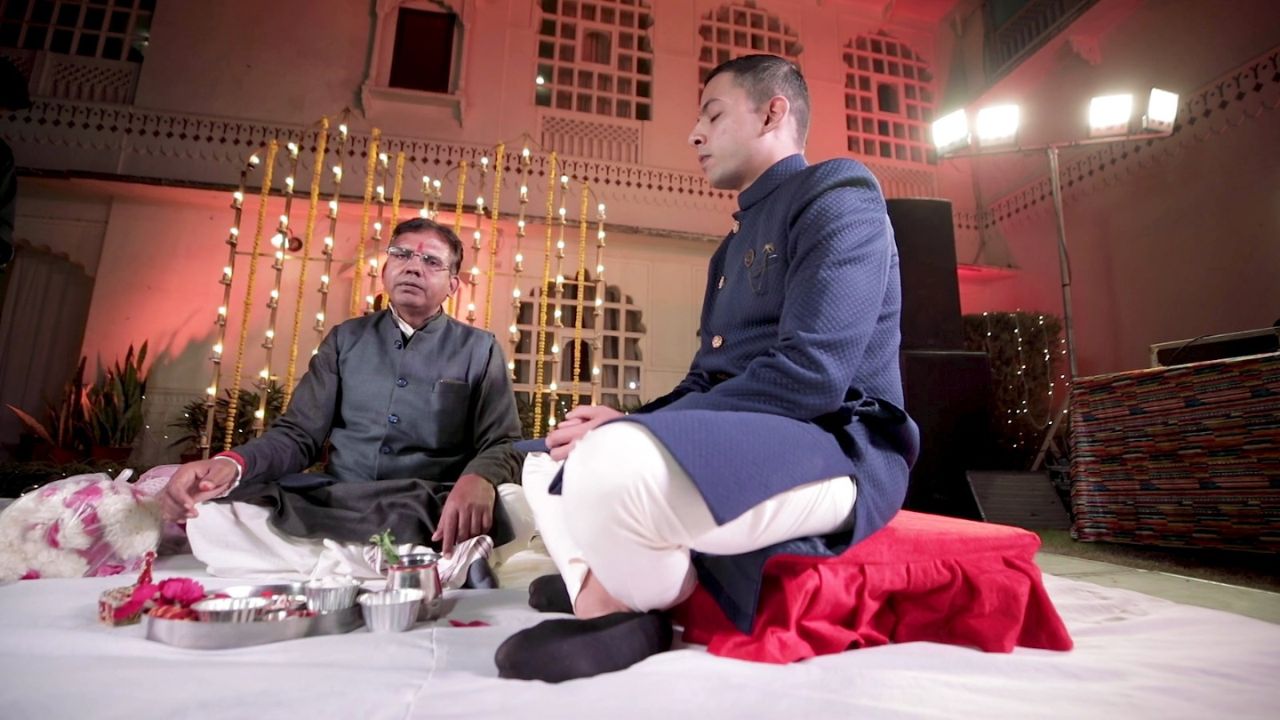
The Sacred Tilak and Blessings: Once everyone settles down, the formal traditions begin. A central part of the Sagai is the application of the tilak. A respected elder from the bride's family applies a sacred mark of vermilion, turmeric, or sandalwood to the groom's forehead. This ritual acts as a gesture of welcome and respect. It also invokes spiritual blessings for his future prosperity and happiness. During this time, families may also conduct a short prayer or puja to ask the divine for a smooth wedding journey. The Ring Exchange: The ring exchange stands out as the most anticipated moment of the Sagai ceremony. The room quiets down as the couple steps forward. They exchange rings as a physical token of their devotion and commitment to one another. Sliding the ring onto each other's fingers represents an unbroken circle of love.
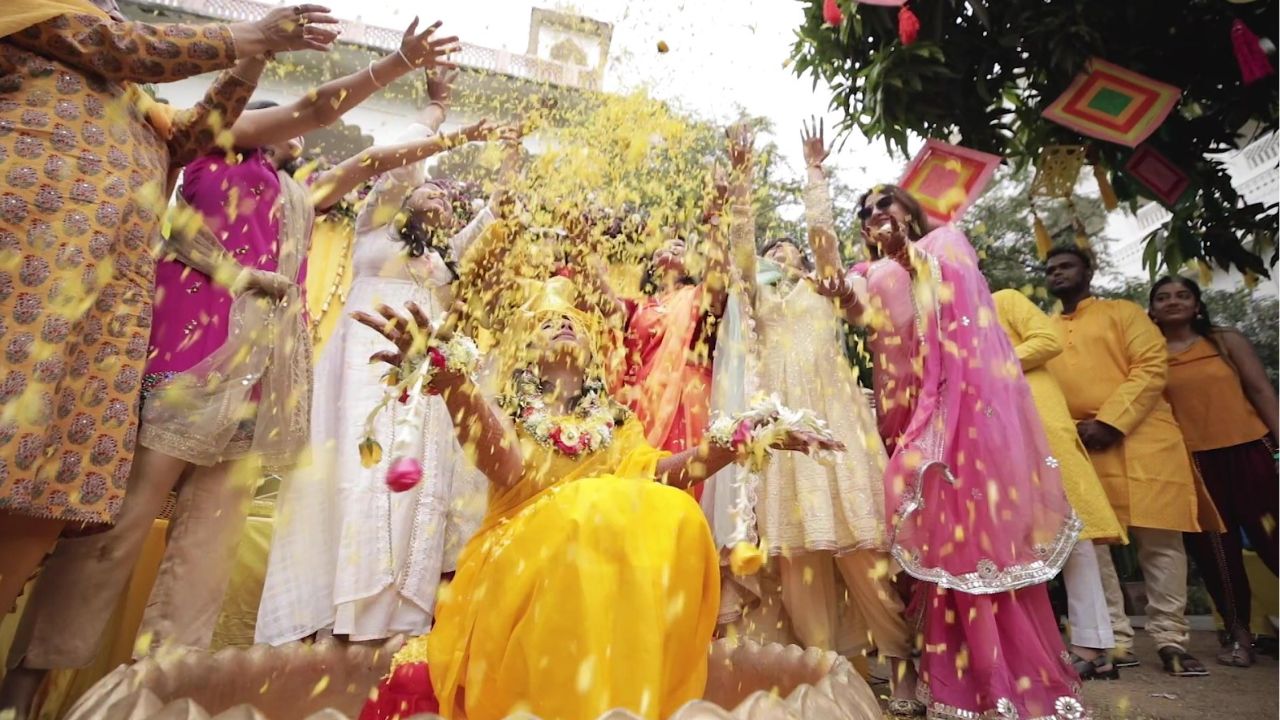
Haldi: In an era before the existence of parlours, the women of the house assumed responsibility for the makeover of the bride & groom. The women of the bride & groom"s respective houses apply turmeric paste (a.k.a. Ubtan) which has antibacterial properties that protect the skin from inflammation, infections, and other impurities. The ubtan also serves a spiritual purpose of warding off negative energies as the colour yellow is considered sacred & auspicious. Moreover, it serves as a medium for the family to pass their positivity and blessings to the Bride & Groom-to-be. Originally, this is supposed to be done everyday for 7 to 10 days which leaves the couple with a radiant glow on their big day. The Bride/Groom are not allowed to step out of the house or see each other after the ubtan has been applied. The modern version of the ceremony only takes place for one afternoon, and also becomes flexible enough for men to participate in the ritual.
Mehndi: A Mehndi ceremony is held the night before the wedding as a way of wishing the bride good health and prosperity as she makes her journey on to marriage.
The Mehndi Ceremony is organized by the Bride"s family bringing together the female members of each side. While Mehndi is mainly for females, male relatives are invited to join in on the party that comes after the Bride has completed her henna. The core significance of applying Mehndi is to utilize its natural medicinal herbal remedies, cooling the body and relieving the Bride of any stress before her big day. Henna is applied to both the hands and the feet as a means of cooling the nerve-endings of the body, preventing the nerves from tensing up.
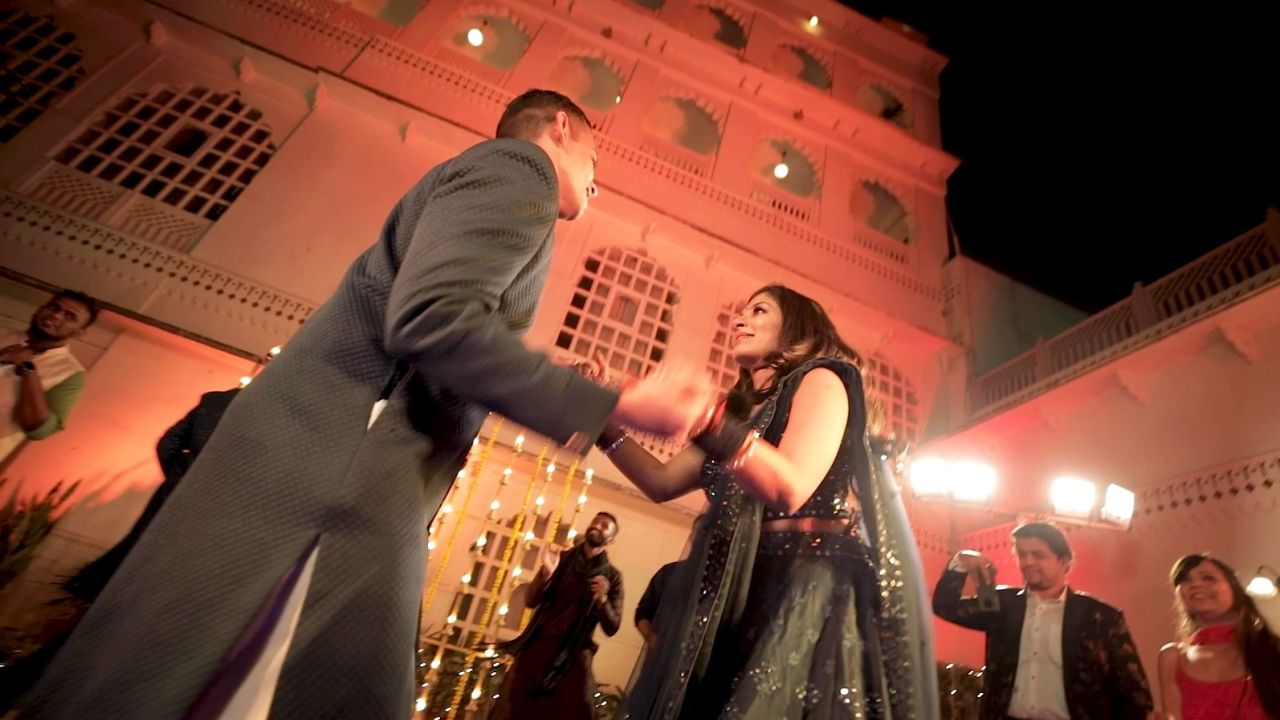
Sangeet: The Sangeet is where the party begins. The word Sangeet translates to "sung together" from Sanskrit. The event is formally known to comprise of only female attendees from both sides of the family, though modern times allow for men to join in on the fun as well. Unlike religious ceremonies such as the Haldi or portions of the wedding ceremony itself, the Sangeet is conducted solely to celebrate the happiness and joy surrounding the couple. In earlier times the Sangeet would last for ten days, celebrating up until the wedding day. Over time, this tradition condensed into a single-day function. The celebration includes choreographed dances performed by relatives and friends of the bride and groom, songs sung by the elder female members of the family with the bride as the focal point, and an open dance floor to mark the beginning of the wedding festivities. The event takes place at the bride"s home or a separate banquet hall, where the bride"s family welcomes the groom"s family by singing the Suhaag, a traditional folk song, to the beat of the Dhol.
Main Wedding Rituals
Baarat: The groom gears up for the journey to reach their bride and get married. After receiving blessings and good fortunes from the ladies of their house, the groom climbs their horse or elephant, accompanied by all the male members of their family. Traditionally, the Baarat not only transported the couple, but also ensured the safety of the bride and her valuables such as jewellery. Baarats had to cover long distances through unknown territories which attracted bandits eyeing the bride and her jewllery. Therefore, the male baaratis geared themselves up with weaponry. A modern baarat covers shorter distances with automobiles. Although Baraats still feature horses, elephants, and swords. The modern baarat has included a charismatic band that accompanies them on the journey which creates a joyous and celebration vibe.Toran: Before entering the bride’s home or wedding venue, the groom taps the entrance with a sword which signifies their resolve to uphold responsibilities for their new family. Phere: In this main-event ritual, the couple takes seven Phere inside a mandap. Phera is a ritual that requires walking around a ceremonial fire, inside a mandap. During the phere, the couple is bound by hathleva (holding hands with mehndi or rice in between their hands along with a cloth covering their hands) & gattbandhan (a cloth that is tied to the bride’s outfit and runs over the groom’s shoulder). Throughout the ceremony, the pandit chants mantras, some repeated by the couple. According to Hinduism, the seven rounds signify that the couple will remain together for all of their seven lives/rebirths. Joota churai: ‘Joota’ means shoe and ‘churai’ means theft. An ice-breaking & humorous tradition executed by the young women of the bride’s side. As the name suggests, the young women attempt to steal the footwear of the groom while they are busy with the phere which effectively prevents them to leave with the family-beloved bride. The young men from the groom’s side are tasked with the prevention of the inevitable theft. Light hearted negotiations begin for the return of the footwear. Once, the ransom is paid, the footwear is returned.
Vidai: A tearful farewell organised by the bride’s family as she departs to her new family. Family and relatives of the Bride accompany her to the exit of the wedding venue, her parents leading the pack holding their daughter close. Before crossing the doorstep, the Bride is given a handful of rice, and sometimes coins, which she is required to throw over her head behind her as she leaves. This is supposed to symbolize a repayment to her parents for all that they have given her throughout the years. The father of the bride is the last person in line to bid her farewell (similar to walking her down the aisle) before she heads towards her new life.
Post Wedding Rituals
Reception: A grand celebration of the wedding. The wedding reception generally has the largest guestlist. Typically, a dinner with a rich variety of food & drinks, sometimes accompanied by toasts to the new couple.
"Cannot find your local ritual?"
We would love to help organise your ritual at The Chamber of Princess.
We are super excited to hear from you.
 Chat on WhatsApp